
Cemetery Planning Resources for Municipalities
Tuesday, September 22nd, 2015
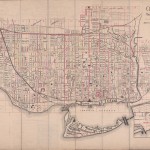
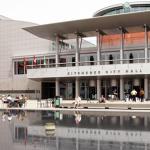
Research informing Policy- Provincial Policy Statement, Official Plans & Secondary Plans and Social Development Policy:
- Spatially Planning For Death in Toronto; Planning Urban Cemeteries in Municipal City Planning in Ontario- Major Research Paper (MRP)
Magisteriate of Environmental Studies; Urban & Regional Planning York University [Requested Upon Consultation]
Literature: Urban Spatial Theory
Basmajian, C., & Coutts, C. (2010). Planning for the disposal of the dead. Journal of the American Planning Association, 76(3), 305-317 doi:10.1080/01944361003791913
Byrne, J., & Wolch, J. (2009). Nature, race, and parks: Past research and future directions for geographic research. Progress in Human Geography, 33(6), 743-765 doi:10.1177/0309132509103156
Canadian Institute of Planners. 2011. Competency Standards for the Planning Profession in Canada. Available at www.cip-icu.ca/Files/Services-and-Programs/Competency-Standards-for-the-Planning-Profession-i
Chang, C. (2012). Before I die I want to. TED video, 6, 20.
Deathscapes : Spaces for death, dying, mourning and remembrance (c2010). In Maddrell A.,Sidaway J. D. (Eds.), . Farnham, Surrey, England ;: Ashgate.
Degen, M., & Rose, G. (2012). The sensory experiencing of urban design: The role of walking and perceptual memory. Urban Studies, 49(15), 3271-3287. doi:10.1177/0042098012440463
Eggener, K. (2010). Cemeteries. WW Norton & Company.
Harvey, David. (1978). The urban process under capitalism. International Journal of urban and Regional Research, 2(1-2), 101-131.
Heller, C. (1999). On Ecology of Everyday Life from Ecology of Everyday Life: Rethinking the Desire for Nature. Black Rose Books, 172-174.
Hodge, G. (2014). In Gordon D. L. A. (Ed.), Planning canadian communities : An introduction to the principles, practice, and participants (6th ed. ed.). Toronto: Nelson Education.
Cook, I., & Swyngedouw, E. (2012). Cities, social cohesion and the environment: Towards a future research agenda. Urban Studies, 49(9), 1959-1979. doi:10.1177/0042098012444887
Emotion, place and culture (2009). In Smith M., Davidson J. and Cameron L. (Eds.), . Abingdon, Oxon, GBR: Ashgate Publishing Group.
Harvey, D. (1985). The urbanization of capital (p. 8). Oxford: Blackwell.
Hubbard, P. (2006). City. Florence, KY, USA: Routledge.
Jeffrey S. Lowe. 2015. “Black Lives Don’t Matter in APA’s Colorblind Planning: APA Rejected Legislative Policy Guide on Criminal Justice”. Progressive Planning 203: 2,18-19.
Kipfer, S., Goonewardena, K., Schmid, C., & Milgrom, R. (2008). On the production of Henri Lefebvre. Space, difference, everyday life: reading Henri Lefebvre, 1-23.
Kipfer, S. (2007). Fanon and space: colonization, urbanization, and liberation from the colonial to the global city. Environment and Planning D, 25(4), 701.
Kipfer, S. (2002). Urbanization, everyday life and the survival of capitalism: Lefebvre, Gramsci and the problematic of hegemony. Capitalism Nature Socialism, 13(2), 117-149.
Keil, R., & Kipfer, S. (2003). 14 The Urban Experience and Globalization.Changing Canada: Political Economy as Transformation, 335.
Kovel, J. (2007). Enemy of nature : The end of capitalism or the end of the world?. London, GBR: Zed Books.
Macionis, J. J., & Parrillo, V. N. (2004). Cities and urban life. Pearson Education.
Maddrell, A. (2013). Living with the deceased: absence, presence and absence- presence, Cultural Geographies (special issue on Absence’, edited by Lars Meier et al).
Marcuse, Peter (2010). “Changing Times, Changing Planning: Critical Planning Today”. Progressive Planning 182, pp. 13-16.
McKittrick, K. (2013). Plantation Futures. Small Axe, 17(3 42), 1-15.
Melosi, M. (2010). Humans, cities, and nature: How do cities fit in the material world? Journal of Urban History, 36(1), 3-21. doi:10.1177/0096144209349876
Middleton, J. (2010). Sense and the city: Exploring the embodied geographies of urban walking. Social & Cultural Geography, 11(6), 575-596 doi:10.1080/14649365.2010.497913
Niemelä, J. (1999). Ecology and urban planning. Biodiversity and Conservation, 8(1), 119-131.
Parker, S.,. (2004). Urban theory and the urban experience : Encountering the city. London ;:Routledge.
Pratt, K. (2012). Rethinking community: Conservation, practice, and emotion. Emotion,Space and Society, 5(3), 177-185. doi:10.1016/j.emospa.2011.08.003
Ryan, Brent D. 2011. “Reading through a plan: A visual interpretation of what plans mean and how they innovate”. Journal of the American Planning Association, 77(4): 309-327.
Salleh, A. (1997). Ecofeminism as politics: Nature, marx, and the postmodern. London, UK: Zed Books Ltd.
Swedberg, R. (2011). The role of senses and signs in the economy. Journal of Cultural Economy, 4(4), 423-437. doi:10.1080/17530350.2011.609703
Thomas. June Manning. 2008. “The minority-race planner in the quest for a just city”. Planning Theory 7(3): 227–247.
Wheeler, S. (2004). Planning for sustainability : Creating livable, equitable, and ecological communities. London ;: Routledge.
Byrne, J., & Wolch, J. (2009). Nature, race, and parks: Past research and future directions for geographic research. Progress in Human Geography, 33(6), 743-765 doi:10.1177/0309132509103156
Canadian Institute of Planners. 2011. Competency Standards for the Planning Profession in Canada. Available at www.cip-icu.ca/Files/Services-and-Programs/Competency-Standards-for-the-Planning-Profession-i
Chang, C. (2012). Before I die I want to. TED video, 6, 20.
Deathscapes : Spaces for death, dying, mourning and remembrance (c2010). In Maddrell A.,Sidaway J. D. (Eds.), . Farnham, Surrey, England ;: Ashgate.
Degen, M., & Rose, G. (2012). The sensory experiencing of urban design: The role of walking and perceptual memory. Urban Studies, 49(15), 3271-3287. doi:10.1177/0042098012440463
Eggener, K. (2010). Cemeteries. WW Norton & Company.
Harvey, David. (1978). The urban process under capitalism. International Journal of urban and Regional Research, 2(1-2), 101-131.
Heller, C. (1999). On Ecology of Everyday Life from Ecology of Everyday Life: Rethinking the Desire for Nature. Black Rose Books, 172-174.
Hodge, G. (2014). In Gordon D. L. A. (Ed.), Planning canadian communities : An introduction to the principles, practice, and participants (6th ed. ed.). Toronto: Nelson Education.
Cook, I., & Swyngedouw, E. (2012). Cities, social cohesion and the environment: Towards a future research agenda. Urban Studies, 49(9), 1959-1979. doi:10.1177/0042098012444887
Emotion, place and culture (2009). In Smith M., Davidson J. and Cameron L. (Eds.), . Abingdon, Oxon, GBR: Ashgate Publishing Group.
Harvey, D. (1985). The urbanization of capital (p. 8). Oxford: Blackwell.
Hubbard, P. (2006). City. Florence, KY, USA: Routledge.
Jeffrey S. Lowe. 2015. “Black Lives Don’t Matter in APA’s Colorblind Planning: APA Rejected Legislative Policy Guide on Criminal Justice”. Progressive Planning 203: 2,18-19.
Kipfer, S., Goonewardena, K., Schmid, C., & Milgrom, R. (2008). On the production of Henri Lefebvre. Space, difference, everyday life: reading Henri Lefebvre, 1-23.
Kipfer, S. (2007). Fanon and space: colonization, urbanization, and liberation from the colonial to the global city. Environment and Planning D, 25(4), 701.
Kipfer, S. (2002). Urbanization, everyday life and the survival of capitalism: Lefebvre, Gramsci and the problematic of hegemony. Capitalism Nature Socialism, 13(2), 117-149.
Keil, R., & Kipfer, S. (2003). 14 The Urban Experience and Globalization.Changing Canada: Political Economy as Transformation, 335.
Kovel, J. (2007). Enemy of nature : The end of capitalism or the end of the world?. London, GBR: Zed Books.
Macionis, J. J., & Parrillo, V. N. (2004). Cities and urban life. Pearson Education.
Maddrell, A. (2013). Living with the deceased: absence, presence and absence- presence, Cultural Geographies (special issue on Absence’, edited by Lars Meier et al).
Marcuse, Peter (2010). “Changing Times, Changing Planning: Critical Planning Today”. Progressive Planning 182, pp. 13-16.
McKittrick, K. (2013). Plantation Futures. Small Axe, 17(3 42), 1-15.
Melosi, M. (2010). Humans, cities, and nature: How do cities fit in the material world? Journal of Urban History, 36(1), 3-21. doi:10.1177/0096144209349876
Middleton, J. (2010). Sense and the city: Exploring the embodied geographies of urban walking. Social & Cultural Geography, 11(6), 575-596 doi:10.1080/14649365.2010.497913
Niemelä, J. (1999). Ecology and urban planning. Biodiversity and Conservation, 8(1), 119-131.
Parker, S.,. (2004). Urban theory and the urban experience : Encountering the city. London ;:Routledge.
Pratt, K. (2012). Rethinking community: Conservation, practice, and emotion. Emotion,Space and Society, 5(3), 177-185. doi:10.1016/j.emospa.2011.08.003
Ryan, Brent D. 2011. “Reading through a plan: A visual interpretation of what plans mean and how they innovate”. Journal of the American Planning Association, 77(4): 309-327.
Salleh, A. (1997). Ecofeminism as politics: Nature, marx, and the postmodern. London, UK: Zed Books Ltd.
Swedberg, R. (2011). The role of senses and signs in the economy. Journal of Cultural Economy, 4(4), 423-437. doi:10.1080/17530350.2011.609703
Thomas. June Manning. 2008. “The minority-race planner in the quest for a just city”. Planning Theory 7(3): 227–247.
Wheeler, S. (2004). Planning for sustainability : Creating livable, equitable, and ecological communities. London ;: Routledge.