

 Portfolio
 Packages
 Careers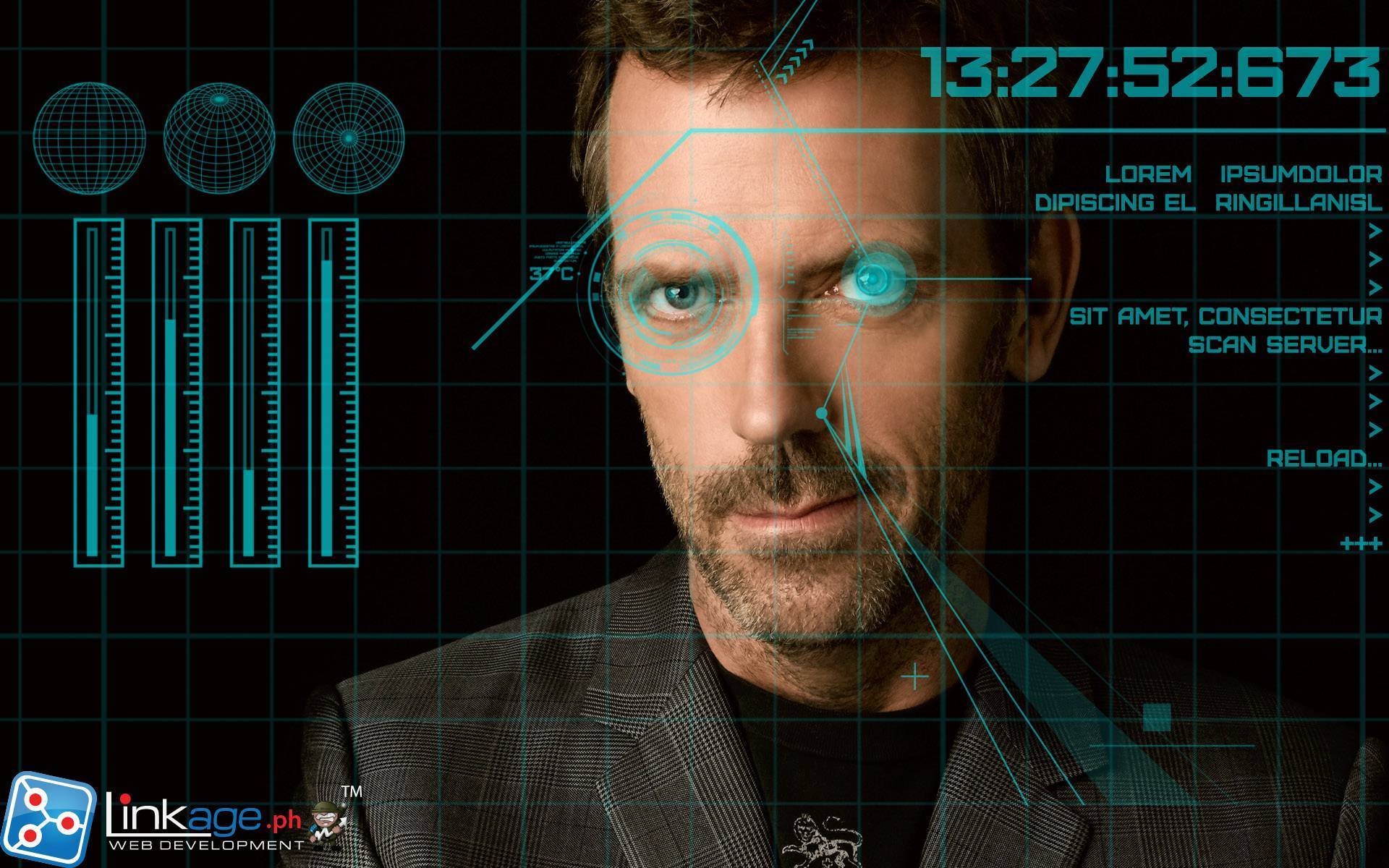
Just like from the movie, ‘Minority Report’, it shows us a view of what is possible in the wearable-driven future. As Tom Cruise enters the store, he stops for a moment allowing a retail machine to scan the biometric device in his eyes to identify him, along with his past purchases.
With regards for the average retail employee, the ability in finding and delivering this information could not be a serious time waster, but it could be even be seen as an invasive of customer privacy. So while wearable technology like this would or could revolutionize the retail industry that is only beginning.
Discussion of Google Glass has become ever-present, more particular for data driven marketers of today, but they are not the only smart glasses on the market. IBM’s Leo Kluger highlighted, during a talk, a product called “Snow2”. These are custom smart goggles that made specifically for skiers and snowboarders. With the product designed and sold to a niche audience as it allows for the ads served on the goggles to be highly targeted.
Tracking health data and statistics from a wearable device is not a new concept, but the potential of using the data to analyze or possible predict disease can be astonishing. This is the idea behind Apple’s recently announced ResearchKit. The project launched with six apps that could use data that has been collected by various iOS products to help prevent or diagnose diseases. With the obvious limitations by the devices to collect 100% accurate data and privacy concerns weighing heavily on people’s minds, the application still has the potential to be life-changing and has the potential to be life-saving.
Deep in thoughts of the possibility of wearable techs and data that will be created from these wearables, we have just scratched the surface of the possibilities. As innovations continue to reach the marketplace, smart marketers will continue to test and will be adapting to better reach and being able to deliver relevant messages to consumers.


Comments 0