

 Portfolio
 Packages
 Careers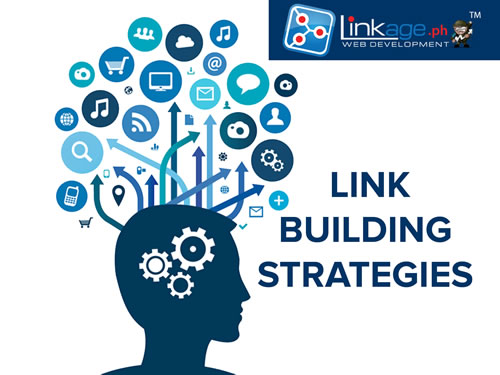
What is link building? A definition: getting other websites to link to your website with the purpose of improving your own rankings in Google and other major search engines. Links have always been treated as “votes” for online popularity of a site. Through inbound links, search engines can not only analyze the popularity websites but other search metrics such trust, authority and spam. Trusted and established sites to link from other well trusted sites. Authority models, like those hypothesized on Hilltop Algorithm, suggest that inbound links are a very good way of identifying expertise on a given subject.
Links are not everything in SEO, but search pros confirm and attribute a large portion of the search engine’s algorithms to link-related factors.
Natural Links Vs Unnatural Links
Google wants to reward ‘user value add’ highlighted by natural links and not want to count any link that is not ‘editorial’, in a sense, or freely given. The end point here is that Google wants to reward a good user experience and unnatural links do not form any part of the concept. If an inbound linking campaign is designed to manipulate Google rankings, a site will be penalized. A good example is when a site receives tons of inbound links in a very short time frame (unless it is a fluke that an article or a page content becomes a trend or a viral topic, Google has this filter in place, in assumption). Some say link building has its ship sailed but the fact of the matter is, building links still affects rankings on Google in a big way. Quality content drives the organic link building end results which Google awards.
Local or Topic Targeted Popularity
First pioneered by Teoma search engine, this concept suggests that links from other sites that have the same topic (or product) matters better more than links from other general or off topic sites.
Anchor Texts
If links point to a web page with the right keywords, the targeted has a good chance of ranking well for the phrase which it has been anchored to. This is one of the strongest signals used to rank websites.
Fresh Links
Linking signals tend to deteriorate over time. Sites that were once popular can lose their authority and eventually lose their linking “points”. It is then important to continue adding new links over time. Search engines use how recent a link has been posted to judge popularity and relevance.
Social Sharing
The last few years have seen an explosion of content being shared on popular social networking sites such as Facebook, Twitter and Google Plus. The top search engines treat links shared to these networks differently but they notice these nonetheless. A big debate is still ongoing as to how these link affect social link signal into their unique algorithms but there is no denial that these links are equally as important.
Contact Linkage Web Development if you wish to learn more about link building and how will it help your business website. We are currently based in Baguio City, Philippines and we are always ready to serve local businesses within or outside the city. You may find our contact information through our website http://www.linkage.ph or through our Facebook pagehttps://www.facebook.com/LinkageWebDevelopment . We look forward to working with you soon!


Comments 0