

 Portfolio
 Packages
 Careers
- The Placement’s Content – if performance works as expected but you are still weary of a site, do not hesitate to open an incognito window and check the site. Is the content something that interests your audience? Would someone reading this page find your ad relevant and interesting? It can be hard to distinguish what is and isn’t relevant content just by looking at a site URL. I wouldn’t suggest checking out every single placement, as that could take a long time. But for those you’re on the fence about, it’s worth a quick glance.
- Performance – Is the placement performing well for you? Are you bringing in leads and sales at a CPA you’re happy with? If yes, wonderful! For outstanding sites, it might be worth breaking them into their own manually targeted ad groups so you can best take advantage. If it’s not performing well, you’ve got some decisions to make. Once you’ve got the spreadsheet set up, you can pivot your table in any way needed, depending on your goals, and exclude accordingly.
- Matching Your Brand – Just because a site has relevant content and is mostly drawing in your targeted audience, it doesn’t mean it belongs in your campaigns. Remember, the majority of Internet users have no idea how ads are shown to them. When they see your ad and brand name on a site, they assume you’re associated with that site. So even though that user is the person actually visiting this potentially poor-quality site, it can reflect badly on your brand. If you notice some of these sites in your auto-placement reports, it’s most likely best to exclude them, for your brand’s sake.
- The Audience – Another way to evaluate placements is to check out what their audiences look like. Take your list of questionable placements and flip the Google Display Planner on its head. Choose the “show only estimates for my targeting criteria” option on the main screen and load in your sites. From there, you can look at the data Google has for each placement’s audience and see if it’s a match to your own.
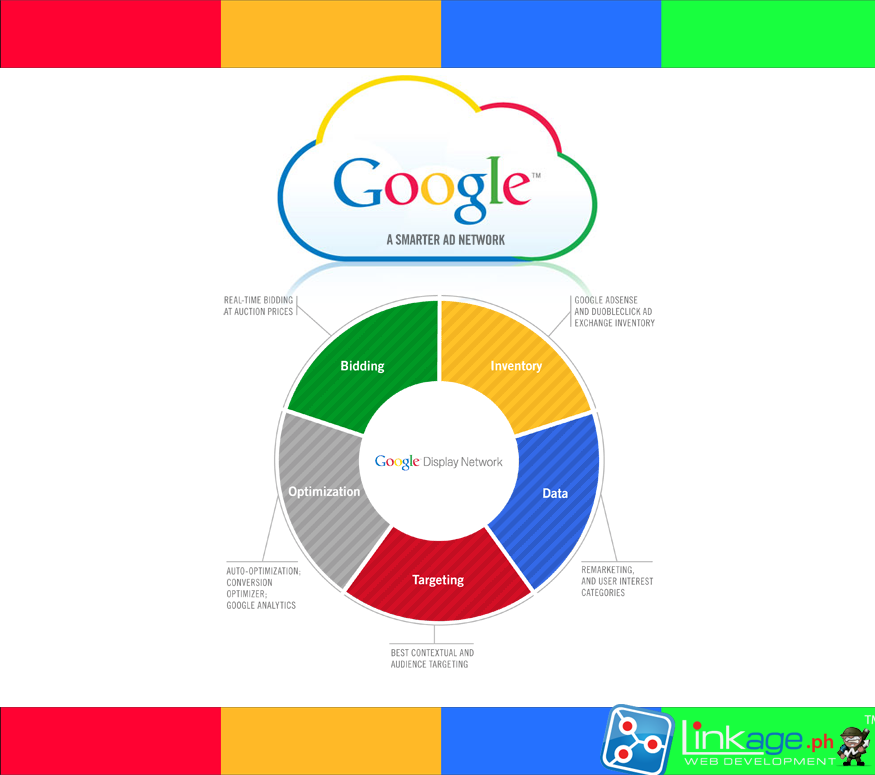
The display network has the potential to be a minefield of good placements mixed in with the bad. Sometimes, the difference between the two is nothing more than that of a couple of characters in a URL. It is difficult to know which sites which you should and should not be serving on without looking at each possible site manually.
Four things to consider when deciding if a site should stay active in your campaigns:


Comments 0